The Rise of Vietnam’s EV Industry: Market Growth and Future Potential
As the global transition toward electric vehicles (EVs) accelerates, Vietnam is emerging as one of Southeast Asia’s most promising EV markets. Traditionally known as a motorcycle-dominated country, Vietnam is now entering a new era of electric mobility.
Driven by government policy, environmental concerns, and strong domestic investment, the country’s EV industry is growing rapidly. In this article, we explore the current state of Vietnam’s EV market, key players, government initiatives, challenges, and future opportunities.
目次
1. The Current State of Vietnam’s EV Market
Vietnam has long been a motorcycle-centric society. However, rising environmental awareness and concerns about urban air pollution have increased interest in electric mobility.
In major cities, growing gasoline prices and stronger environmental consciousness among younger generations have supported the rise of electric motorbikes and electric cars. The Vietnamese government has also announced its commitment to achieving carbon neutrality by 2050, positioning the EV industry as part of its national development strategy.
Electric buses are already operating in major urban areas, and the private sector is investing heavily in EV manufacturing and infrastructure.
2. Key Companies and Leading Brands
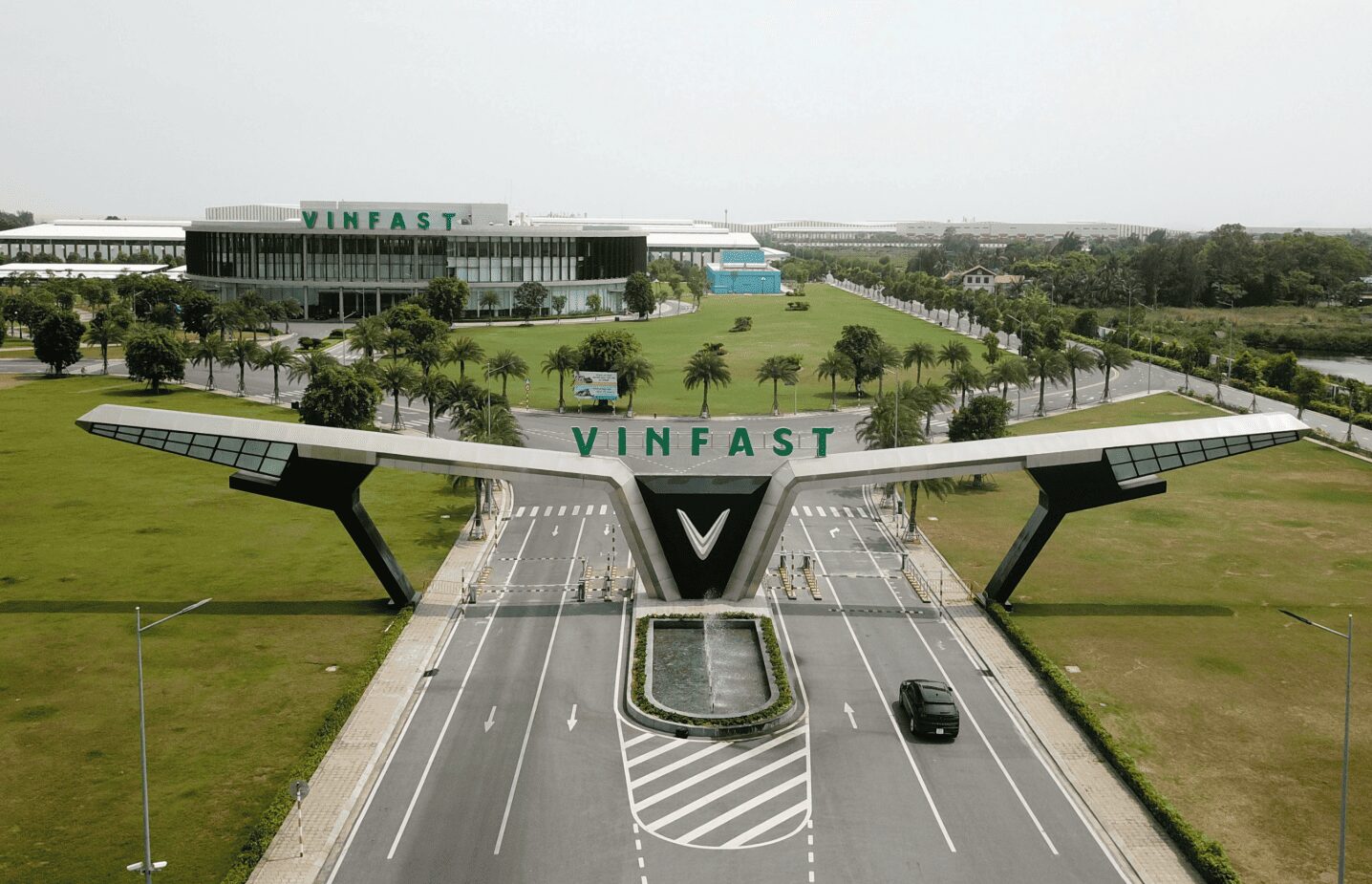
A central player in Vietnam’s EV revolution is the domestic conglomerate Vingroup, which established the country’s first large-scale automobile manufacturer.
VinFast
VinFast has transitioned into a fully electric vehicle manufacturer and is expanding beyond Vietnam into global markets such as the United States and Europe. The company produces electric SUVs and electric scooters, and it is actively developing its own charging infrastructure network.
VinFast’s strategy includes vertical integration, covering vehicle production, battery development, and nationwide charging station deployment. This integrated approach aims to accelerate EV adoption domestically while building an international brand presence
3. Government Policies and Infrastructure Development
The Vietnamese government is actively supporting the EV transition through several measures:
- Reduced registration taxes for electric vehicles
- Incentives for domestic EV production
- Promotion of electric public transportation
- Encouragement of charging infrastructure expansion
In cities such as Ho Chi Minh City and Hanoi, electric buses have already been introduced into public transportation systems. Charging networks are expanding, particularly in urban and commercial districts.
These initiatives signal a strong commitment to sustainable urban mobility and long-term emissions reduction.
4. Challenges Facing EV Adoption
Despite rapid progress, several challenges remain.
Charging Infrastructure Gaps
While major cities are seeing rapid deployment of charging stations, rural and smaller urban areas still lack sufficient infrastructure.
Vehicle Affordability
EVs remain more expensive than conventional gasoline vehicles. For middle-income consumers, upfront costs can be a barrier.
Battery Technology and Supply Chains
Sustainable battery production, recycling systems, and supply chain stability are critical issues for long-term growth.
Addressing these challenges will be essential to ensure widespread EV adoption across the country.
5. Future Growth and Business Opportunities
Vietnam’s population of nearly 100 million, combined with a young and increasingly urban workforce, creates significant market potential. As urbanization accelerates, demand for automobiles and modern transportation solutions is expected to rise.
Emerging opportunities in Vietnam’s EV ecosystem include:
- Charging infrastructure development
- Battery manufacturing and recycling
- Automotive software and smart vehicle systems
- EV taxi and ride-sharing services
- Electric fleet management solutions
Electric taxi services in major cities are already gaining popularity, reflecting strong consumer interest in environmentally friendly transportation.
Conclusion
Vietnam’s EV industry is entering a high-growth phase, supported by government policy and strong domestic investment. Led by companies such as VinFast, the country is rapidly building both production capacity and charging infrastructure.
Although challenges remain—particularly in affordability and infrastructure distribution—the long-term outlook is promising. As Vietnam continues its economic development and sustainability efforts, the EV sector is likely to become a key pillar of its future growth.
For investors, businesses, and industry professionals, Vietnam represents one of the most dynamic and rapidly evolving EV markets in Southeast Asia.