Vietnam’s Food Delivery Market: Rapid Growth and Emerging Business Opportunities

Vietnam’s food delivery market has expanded rapidly alongside the widespread adoption of smartphones and digital payment systems. In major cities, ordering meals through mobile apps has become a part of daily life, especially among young professionals and dual-income households.
The COVID-19 pandemic further accelerated this shift, turning food delivery from a convenience into an essential urban service. In this article, we explore the current state of Vietnam’s food delivery market, key platforms, consumer behavior, challenges for restaurants, and future opportunities.
目次
1. Market Size and Growth Drivers
Vietnam, with a population of nearly 100 million and a young demographic structure, offers a strong foundation for digital service growth. Internet penetration is high, and mobile payment adoption continues to increase, especially in urban areas.
The rapid expansion of food delivery services can be attributed to several factors:
- High smartphone usage
- A large young population
- Increasing number of dual-income households
- Heavy traffic congestion in major cities
- Pandemic-driven demand for contactless services
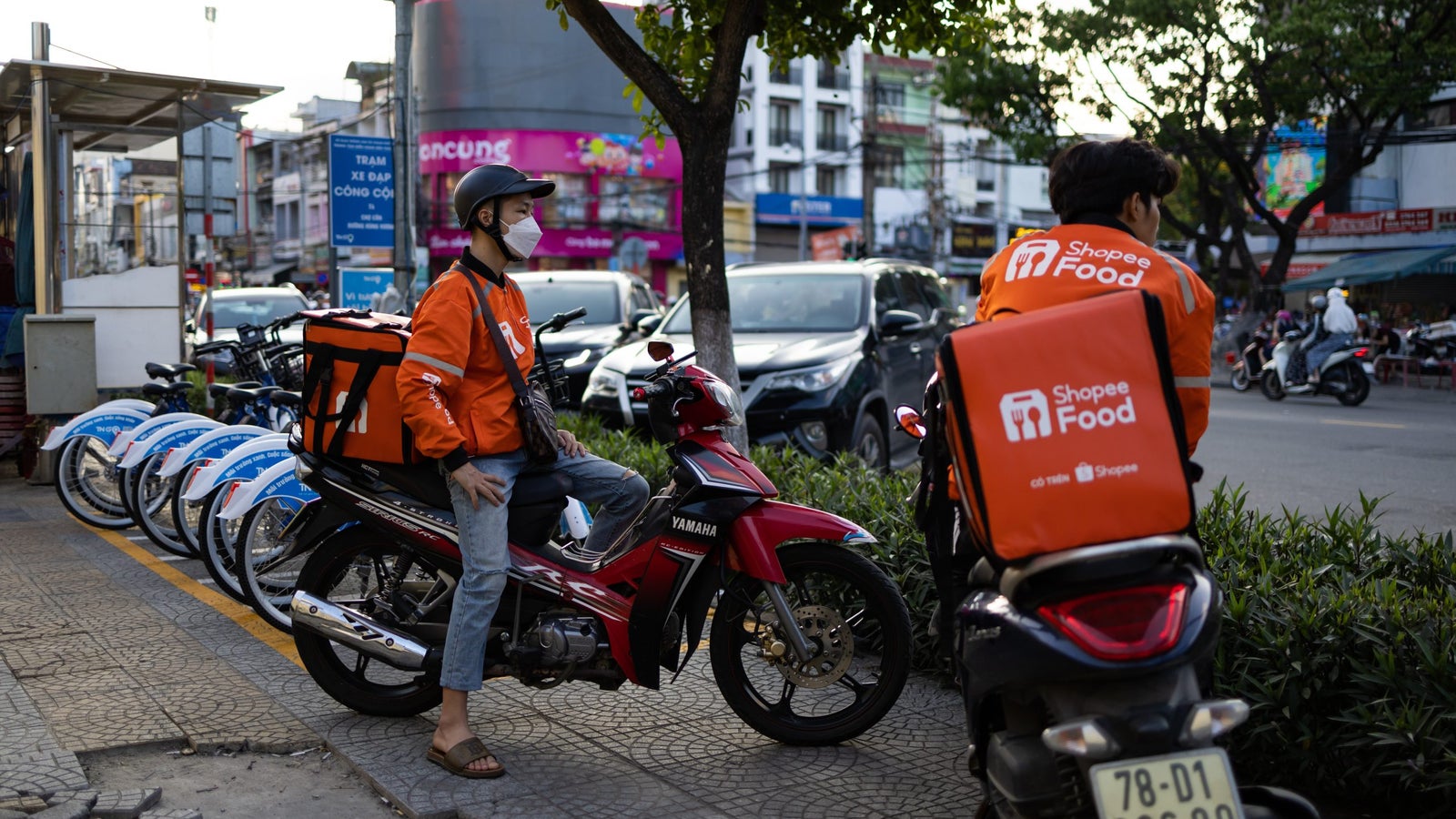
Vietnam’s strong motorbike culture has also made last-mile delivery logistics relatively efficient, allowing platforms to scale quickly.
2. Major Food Delivery Platforms
Several large platforms dominate Vietnam’s food delivery market, competing through pricing, promotions, and service coverage.
Grab
Grab operates one of Southeast Asia’s leading super apps, offering ride-hailing, payments, and food delivery services under GrabFood. It has strong market penetration in major cities such as Ho Chi Minh City and Hanoi.

ShopeeFood
ShopeeFood, affiliated with the e-commerce giant Shopee, has gained popularity among younger consumers. Its competitive advantage lies in aggressive promotions, discount campaigns, and coupon strategies.
Other regional platforms and niche services also operate in the market, creating intense competition.
3. Consumer Trends and Behavior
The primary users of food delivery services in Vietnam are urban residents in their 20s and 30s. Several consumer trends are noticeable:
- High demand during lunchtime
- Sensitivity to discounts and promotions
- Popularity of social-media-friendly menu items
- Strong demand for local dishes and fast food
Recently, premium restaurants and specialty cafés have also joined delivery platforms, increasing average order values. Food delivery is no longer just about convenience—it is seen as a way to save time in busy urban lifestyles.
4. Benefits and Challenges for Restaurants
For restaurants, food delivery provides a significant opportunity to increase revenue and expand brand awareness. It allows businesses with limited seating capacity to reach a broader audience.
However, there are notable challenges:
- High commission fees (often 20–30%)
- Intense price competition
- Maintaining brand image through delivery
- Dependence on platform ratings and reviews
To protect profit margins, many restaurants are developing delivery-only menus or adjusting pricing strategies. Some businesses are also investing in better packaging and branding to enhance customer experience.
5. Future Outlook and Business Opportunities
Vietnam’s food delivery market is expected to continue growing due to urbanization, digital payment expansion, and changing consumer lifestyles.
Emerging opportunities include:
- Cloud kitchen operations
- Premium or luxury-focused delivery services
- Health-conscious meal offerings
- Data-driven marketing strategies
- Development of proprietary restaurant apps
Cloud kitchens, in particular, are gaining attention because they reduce overhead costs and allow multi-brand operations from a single facility.
Conclusion
Vietnam’s food delivery market is experiencing strong and sustained growth. Driven by digital adoption and urbanization, platforms like Grab and ShopeeFood have become integral to daily life in major cities.
While restaurants benefit from expanded reach, they must carefully manage platform fees and competitive pressures. Looking ahead, innovation in cloud kitchens, premium services, and digital strategy will shape the next phase of growth.
For businesses considering entry into Vietnam, the food delivery sector represents a dynamic and high-potential segment of the country’s evolving digital economy.