Vietnam Prices Compared to Thailand|Cost of Living, Food, and Rent Explained
Vietnam and Thailand are two of the most popular destinations in Southeast Asia for travel, long-term stays, and relocation. While both countries are generally considered more affordable than Japan or Western countries, the actual cost of living differs depending on category and lifestyle.
In this article, we compare prices in Vietnam with those in Thailand, focusing on daily expenses such as food, rent, transportation, and utilities. This guide is designed for travelers, digital nomads, and those considering relocation or business expansion in Vietnam.
1. Overall Price Comparison Between Vietnam and Thailand
In general, Vietnam is more affordable than Thailand in terms of overall living costs. This is especially noticeable in local daily expenses. Thailand is a mature tourism market, and prices for foreigners are well established.
Vietnam, on the other hand, is still in a rapid growth phase, and the price gap between locals and foreigners is relatively smaller. However, in major cities like Ho Chi Minh City and Hanoi, prices have risen in recent years, and some visitors may find them higher than expected.
2. Food Costs|Vietnam Offers Better Value for Local Meals
Food is one of the areas where Vietnam’s affordability stands out the most.
- Local meals in Vietnam: around USD 2–4 per meal
- Local street food in Thailand: around USD 2–5 per meal
While prices may seem similar, Vietnam often offers larger portions and better value for money, especially for everyday meals like pho or banh mi.
For international restaurants and cafés, Vietnam is generally 10–20% cheaper than Thailand at a similar quality level.
3. Rent Comparison|More Space for the Same Budget in Vietnam
Housing costs are a key factor for long-term stays and relocation.
- Vietnam (urban areas, expat-standard apartments): USD 350–550/month for a 1-bedroom
- Thailand (central Bangkok): USD 500–800/month for a 1-bedroom
With the same budget, you can usually rent a larger and newer apartment in Vietnam. However, Thailand offers better-equipped condominiums with facilities such as gyms, swimming pools, and higher security standards.
In short, Vietnam favors space and price, while Thailand emphasizes comfort and convenience.
4. Transportation and Utilities|Lower Daily Costs in Vietnam
Transportation is generally cheaper in Vietnam.
- Ride-hailing (short distance): Vietnam USD 1.5–3 / Thailand USD 2–5
- Mobile SIM and data plans: Vietnam around USD 7–10/month / Thailand USD 10–15/month
Motorbike-based transportation keeps daily costs low in Vietnam. Thailand’s well-developed public transport system (BTS, MRT) is convenient but slightly more expensive for daily use.
5. Who Should Choose Vietnam or Thailand?
From a cost perspective, Vietnam is ideal for those who want to minimize living expenses, such as startups founders, digital nomads, and long-term solo residents.
Thailand, while slightly more expensive, offers a more developed infrastructure and stronger support for foreigners, making it suitable for families and first-time overseas residents.
Rather than which country is “better,” the right choice depends on personal priorities.
Conclusion
When comparing Vietnam and Thailand, Vietnam stands out for its lower food, rent, and daily living costs, offering excellent cost performance. Thailand, meanwhile, excels in infrastructure, convenience, and lifestyle stability.
Although prices in Vietnam continue to rise, it remains one of the most attractive destinations in Southeast Asia for affordable living. We hope this comparison helps you make an informed decision for your travel, relocation, or business plans.
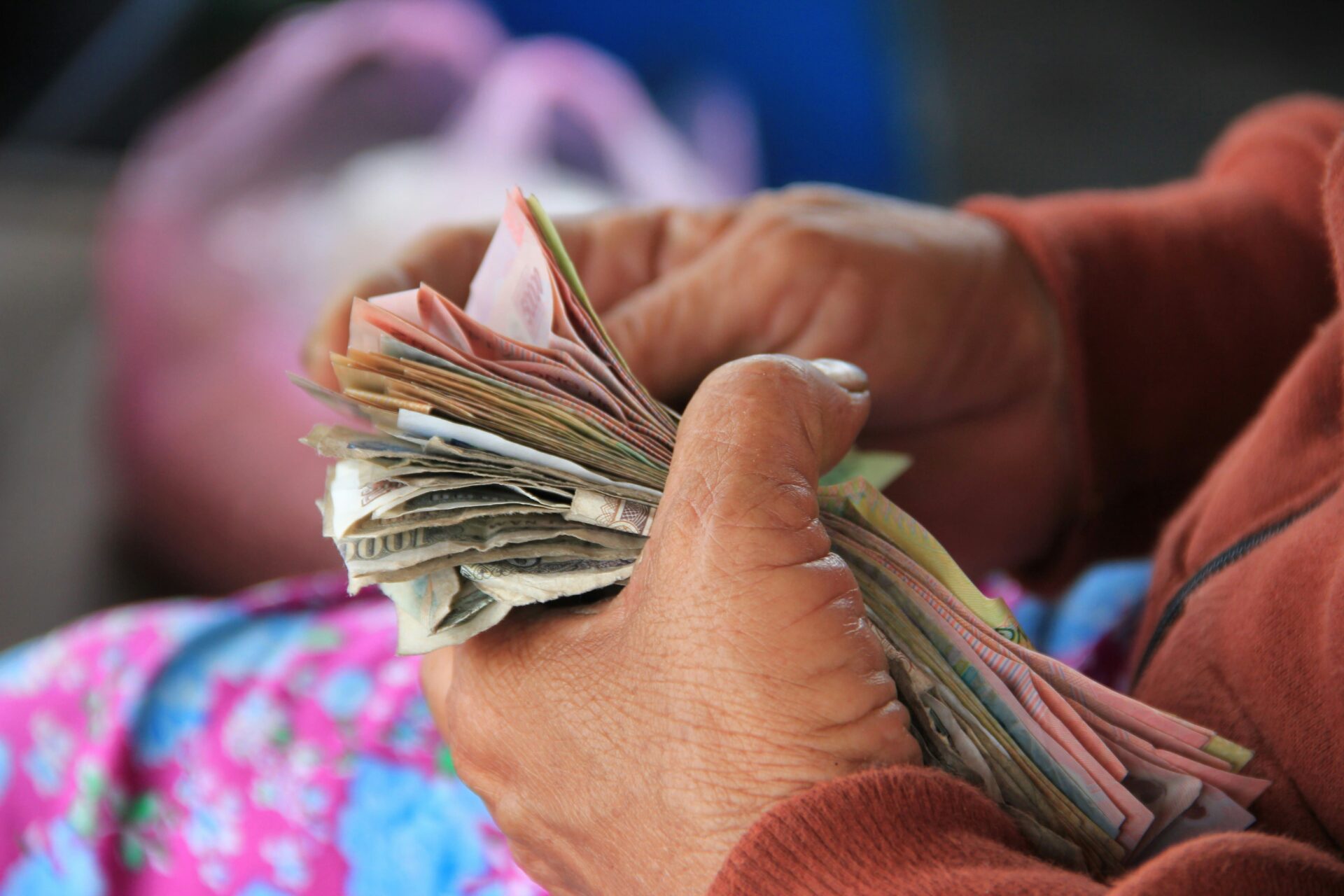
(Photo by Unsplash.com)