Vietnam’s Affluent Market Explained: The Rise of High-Net-Worth Consumers and Business Opportunities
Vietnam has emerged as one of the fastest-growing economies in Southeast Asia. Alongside rapid economic development, the country’s affluent population has expanded significantly. High-net-worth individuals (HNWIs) and upper-middle-class consumers are increasing in number, driving demand for luxury real estate, premium brands, fine dining, overseas education, and high-end travel.
For global businesses and investors, Vietnam’s affluent market represents a dynamic and promising opportunity. In this article, we examine the size and characteristics of Vietnam’s wealthy class, city-by-city trends, consumption patterns, and business potential.
1. The Current Size of Vietnam’s Affluent Market
Vietnam has seen a steady increase in individuals with net assets exceeding USD 1 million. Strong GDP growth, expansion in manufacturing, real estate, finance, and especially technology startups have created a new generation of entrepreneurs and executives.
In addition to high-net-worth individuals, the upper-middle class is expanding rapidly. Rising disposable income has led to increased spending on premium cars, luxury apartments, international travel, and upscale dining experiences.
With a population of nearly 100 million and a relatively young demographic structure, Vietnam’s wealth accumulation trend is expected to continue in the coming decade.
2. Characteristics and Lifestyle of Wealthy Consumers
Vietnam’s affluent class has several notable characteristics.
First, many wealthy individuals are relatively young. Successful entrepreneurs in their 30s and 40s, particularly in technology and digital industries, are increasingly common.
Second, there is a strong global orientation. Wealthy families often send their children to international schools or overseas universities in the United States, Europe, Japan, or Australia.
Third, brand awareness and social media influence are significant. Luxury goods, premium lifestyle experiences, and status-driven consumption are highly valued. Experiences—such as fine dining, private travel, and exclusive memberships—are increasingly prioritized over basic material purchases.
3. Affluent Trends by Major Cities
Ho Chi Minh City
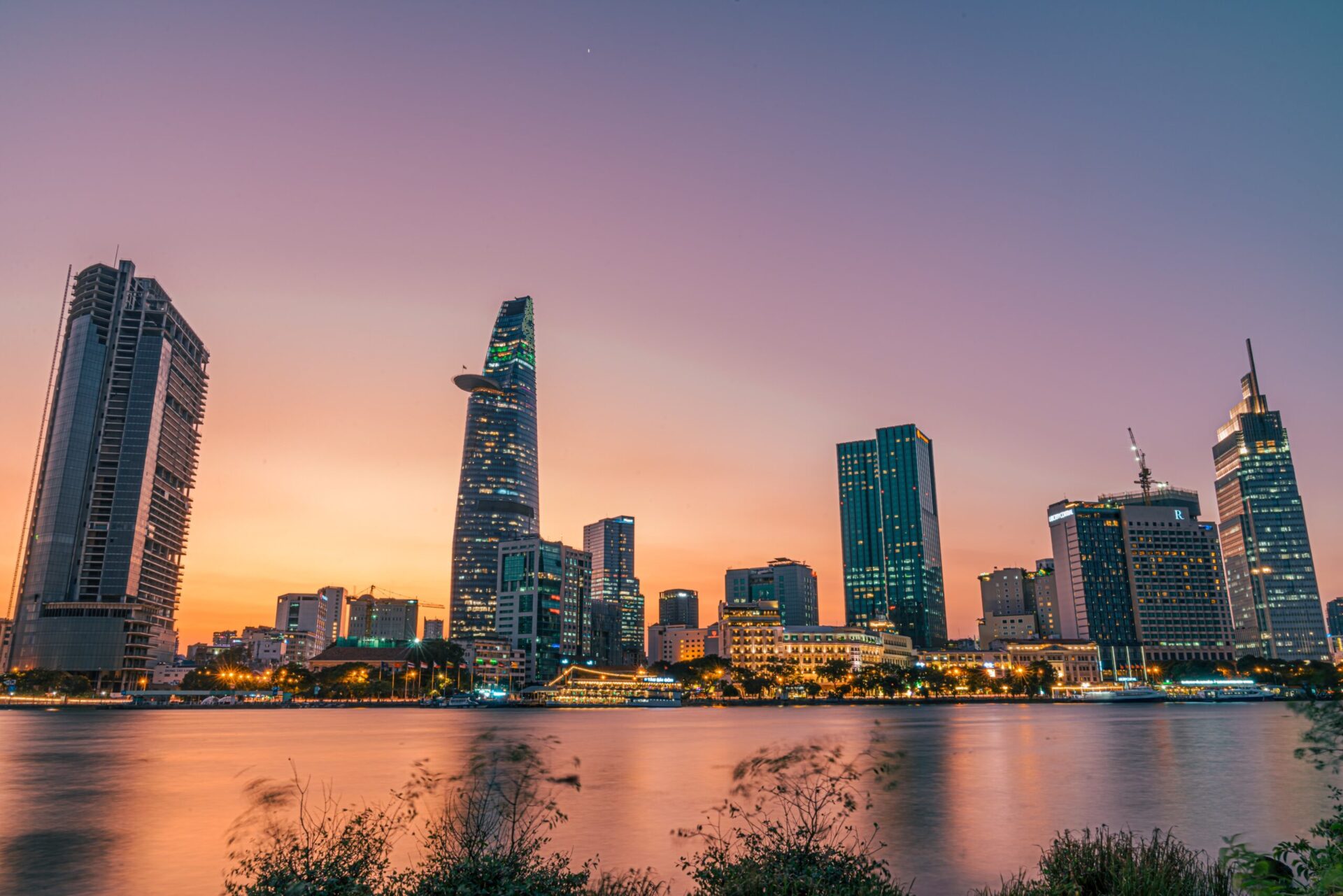
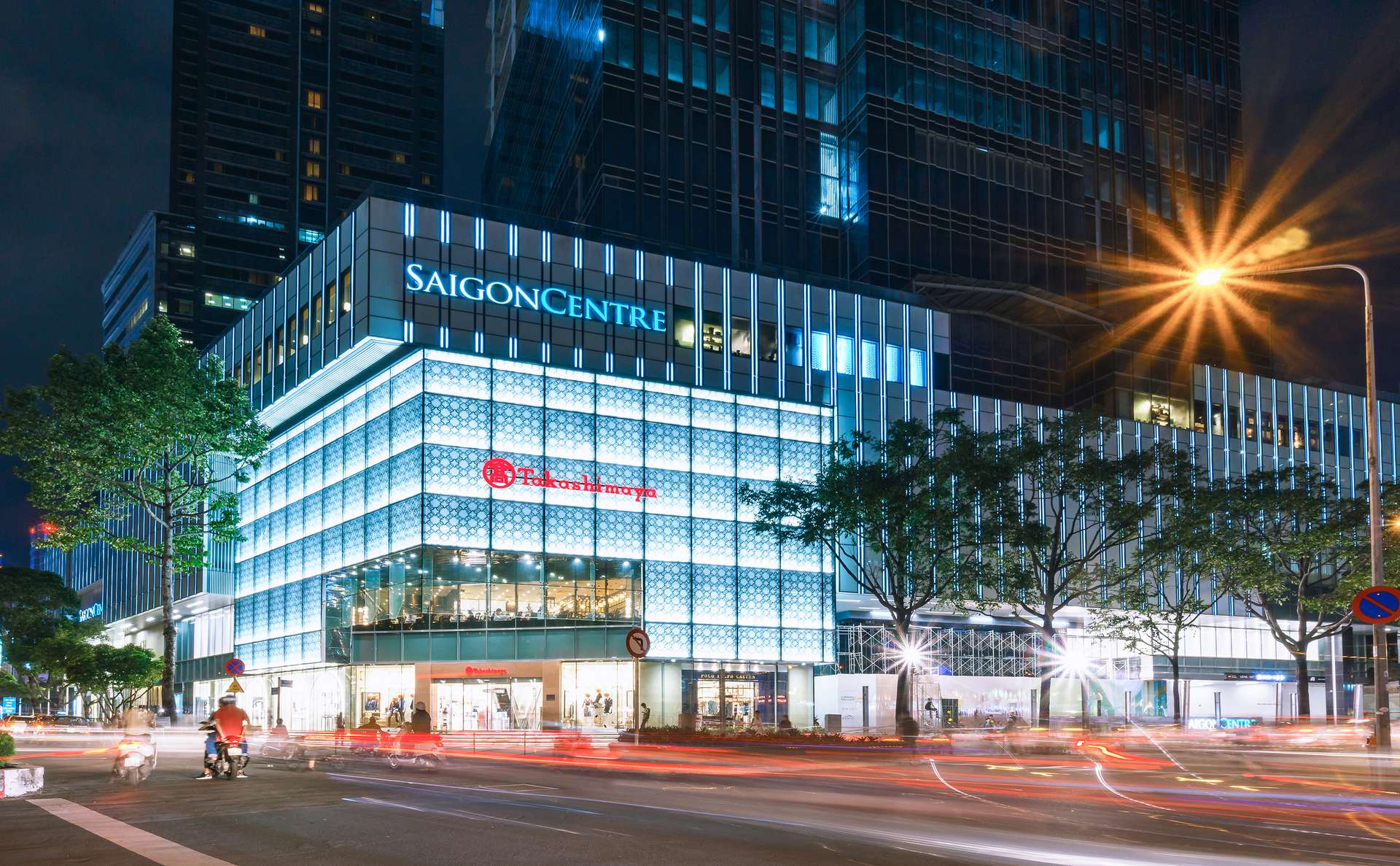
Ho Chi Minh City (Saigon) is Vietnam’s economic powerhouse and the primary hub for affluent consumers. Luxury condominiums, high-end shopping malls, and fine dining restaurants are concentrated in central districts and emerging upscale neighborhoods.
Hanoi
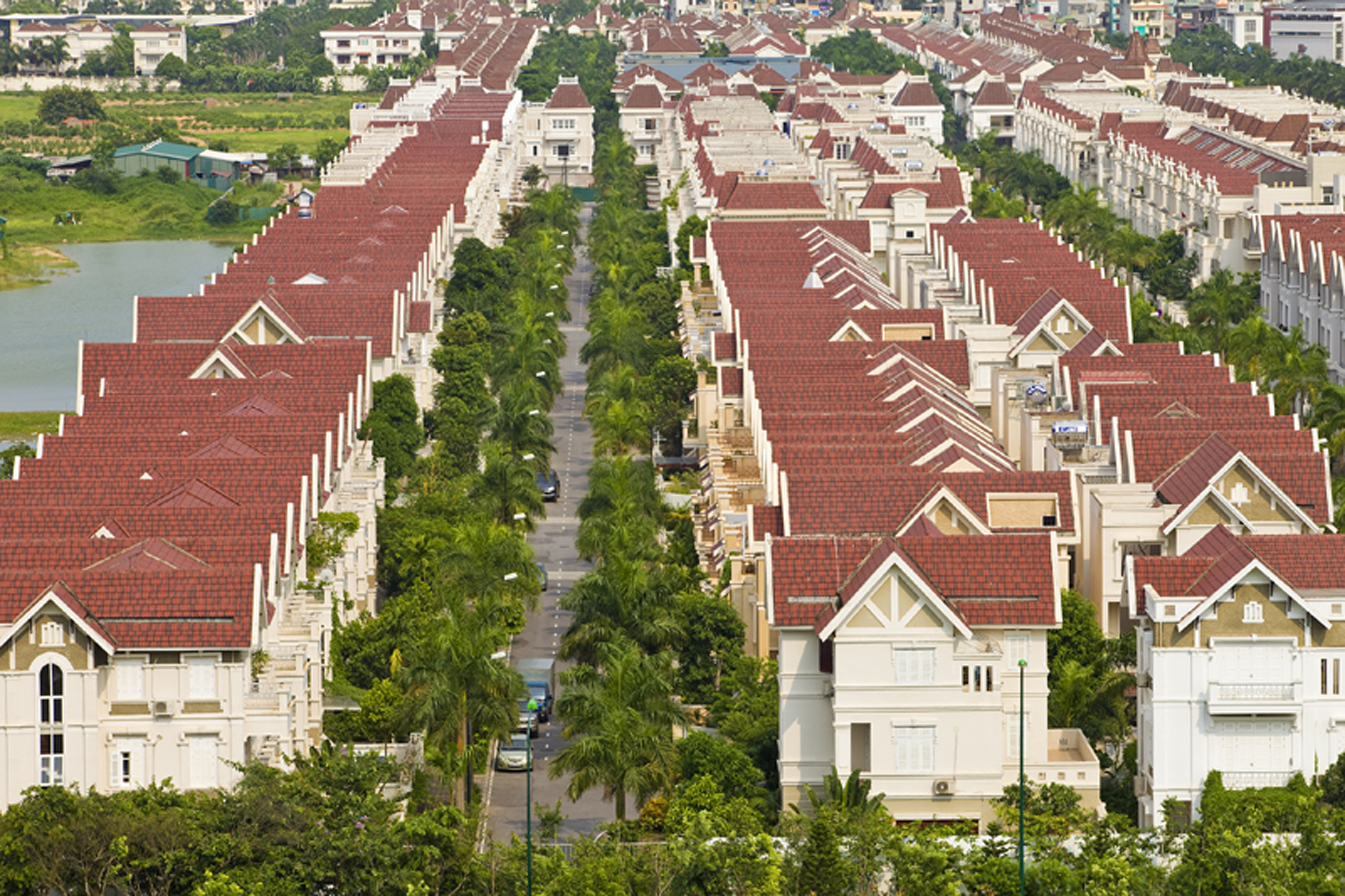
As the political and administrative capital, Hanoi is home to traditional business elites and senior government officials. The city features upscale residential areas, private clubs, and premium dining establishments that cater to affluent residents.
Da Nang
Da Nang is known as a fast-growing coastal city and resort destination. Luxury beachfront villas, golf resorts, and high-end hospitality investments are attracting both domestic and international affluent buyers.

4. Key Consumption Sectors Among the Wealthy
Vietnam’s affluent consumers are particularly active in the following sectors:
- Luxury real estate
- Imported and premium automobiles
- International travel and tourism
- Fine dining and premium wine
- Education (international schools and overseas study)
- Healthcare, wellness, and beauty
Fine dining and business entertainment play a significant role in networking and relationship-building. Private dining rooms and exclusive spaces are in strong demand among business elites.
5. Business Opportunities for International Companies
Vietnam’s affluent market offers substantial opportunities for international brands and investors.
Potential areas include:
- Premium Japanese and international restaurants
- High-quality healthcare and beauty services
- Luxury residential development
- International education services
- Tailor-made luxury travel packages
Japanese brands, in particular, benefit from a reputation for quality, reliability, and craftsmanship, which aligns well with premium market positioning.
Success in this market often depends on strong local partnerships and effective localization strategies.
Conclusion
Vietnam’s affluent market is expanding rapidly alongside the country’s economic growth. A young, globally minded, and brand-conscious wealthy population is driving demand for luxury goods, premium services, and high-end experiences.
With Ho Chi Minh City leading the trend and other major cities following, the market offers strong potential for international companies. Businesses that understand local consumer behavior and position themselves strategically in the premium segment will find significant opportunities in Vietnam’s evolving affluent economy.