Sustainable Tourism in Vietnam: Current Initiatives and the Future of Responsible Travel

Sustainable tourism has become a global priority as travelers and governments seek to balance economic growth with environmental protection and cultural preservation. Vietnam, one of Southeast Asia’s fastest-growing tourism destinations, is increasingly embracing this concept.
With rapid urban development and a surge in international visitors, the country faces both opportunities and challenges. How can Vietnam continue to grow its tourism industry while protecting its natural landscapes and local communities? In this article, we explore the current state of sustainable tourism in Vietnam, key initiatives, challenges, and what travelers can do to support responsible travel.
1. What Is Sustainable Tourism?
Sustainable tourism refers to travel practices that minimize environmental impact, respect local culture, and contribute positively to local economies. It goes beyond eco-tourism by incorporating social and economic sustainability as well.
The concept is built on three key pillars:
- Environmental protection (waste reduction, conservation)
- Social responsibility (supporting local communities and preserving culture)
- Economic sustainability (ensuring tourism benefits local businesses)
While tourism can generate income and development, it can also cause environmental degradation and cultural commercialization if not managed responsibly. Sustainable tourism seeks to maintain a balance between growth and preservation.
2. The Current Situation in Vietnam
Vietnam has experienced a dramatic increase in international and domestic tourism over the past decade. Major cities such as Ho Chi Minh City and Hanoi attract urban tourism, while coastal and natural destinations are also growing in popularity.
Da Nang
Da Nang has become a leading beach destination with large-scale resort development. At the same time, awareness of marine conservation and coastal protection has grown significantly.
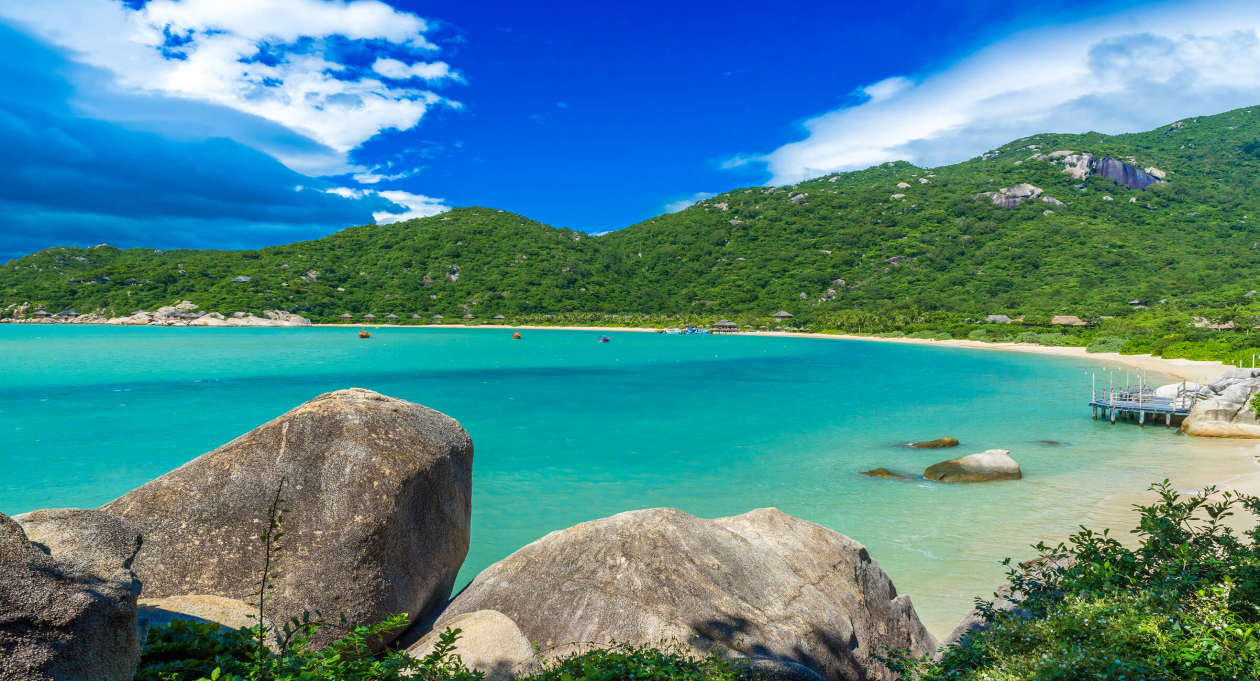
However, rapid tourism expansion has also led to environmental issues such as plastic waste, coastal erosion, and overcrowding in popular destinations. In response, the government, private sector, and NGOs are working to develop more sustainable tourism models.
3. Key Sustainable Tourism Initiatives
Vietnam has implemented several initiatives aimed at promoting responsible travel.
1. Growth of Eco-Resorts
Environmentally conscious resorts are increasing, using sustainable architecture, renewable energy, and waste reduction systems.
2. Community-Based Tourism
In ethnic minority regions and rural areas, local communities manage tourism activities. Visitors stay in homestays and participate in traditional activities, ensuring that tourism revenue directly supports local families.
3. Plastic Reduction Campaigns
Hotels and restaurants are reducing single-use plastics and encouraging reusable alternatives.
4. Protected Natural Areas
In destinations such as Ha Long Bay, environmental regulations and visitor limits have been introduced to protect UNESCO World Heritage sites.
4. Challenges and Future Directions
Despite progress, several challenges remain.
- Rapid growth in visitor numbers increases environmental pressure
- Limited funding in rural areas for sustainable infrastructure
- Insufficient environmental education and awareness
In many local communities, financial and technical resources for sustainable development are still lacking. Stronger government policy, international cooperation, and industry-wide standards will be essential moving forward.
Expanding eco-certified accommodations and responsible tour options will also help guide travelers toward more sustainable choices.
5. What Travelers Can Do
Sustainable tourism depends not only on policy and business decisions but also on individual traveler behavior.
Here are practical steps travelers can take:
- Bring reusable water bottles and eco-bags
- Choose locally owned restaurants and accommodations
- Select environmentally responsible tours
- Respect local customs and cultural traditions
Small actions can collectively make a significant impact on preserving Vietnam’s natural and cultural heritage.
Conclusion
Sustainable tourism in Vietnam is becoming increasingly important as the country continues to develop as a major travel destination. Positive initiatives—such as eco-resorts and community-based tourism—are growing, yet challenges related to environmental impact and infrastructure remain.
The future of Vietnam’s tourism industry depends on collaboration among government, businesses, local communities, and travelers. By making responsible choices, visitors can help ensure that Vietnam’s rich natural landscapes and cultural heritage are preserved for generations to come.