Vietnam Currency Exchange Guide (2026): Best Places, Tips, and What Travelers Should Know
When planning a trip to Vietnam, many travelers wonder about the best way to exchange money.
Should you exchange currency in your home country, at the airport, or in Vietnam itself?
In most cases, exchanging money inside Vietnam offers better rates than exchanging it abroad.
In this guide, we will explain everything travelers need to know, including:
• Basic information about Vietnamese currency
• The best ways to exchange money
• Popular exchange locations in Vietnam
• Important tips to avoid problems
By understanding how currency exchange works in Vietnam, you can save money and travel more comfortably.
Vietnamese Currency: The Vietnamese Dong (VND)
The official currency of Vietnam is the Vietnamese Dong (VND).
Banknotes are available in the following denominations:
• 10,000 VND
• 20,000 VND
• 50,000 VND
• 100,000 VND
• 200,000 VND
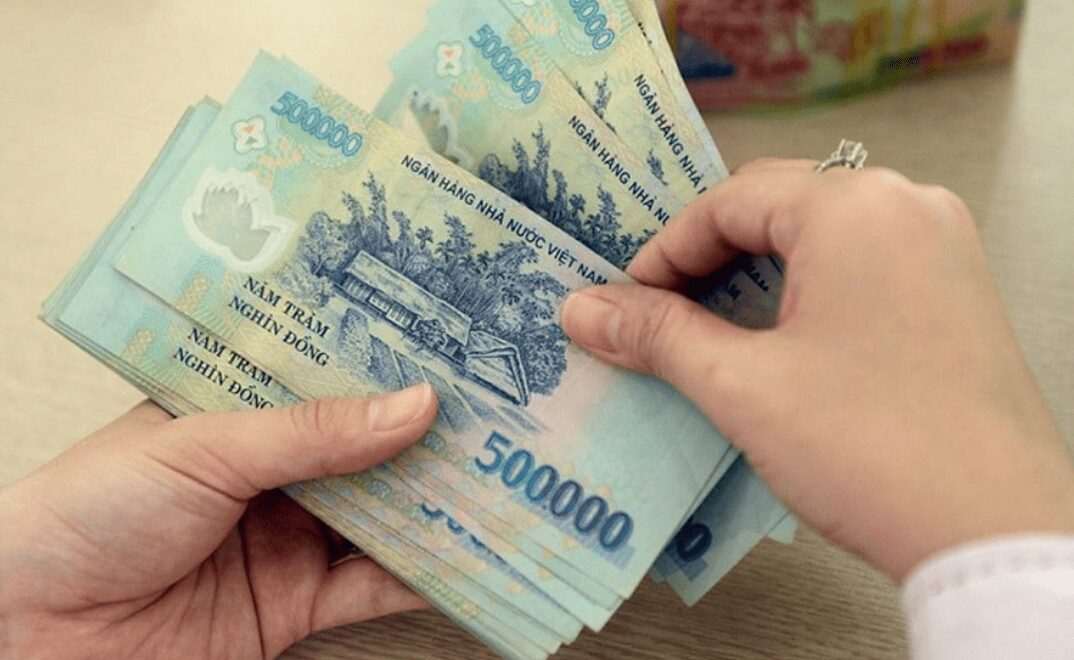
• 500,000 VND
For travelers, the most commonly used notes are:
50,000 VND to 200,000 VND
Because Vietnamese currency has many zeros, it can feel confusing at first. For example, 100,000 VND is roughly equivalent to about 4–5 USD depending on the exchange rate.
After a short time in the country, most visitors become comfortable with the currency.
Best Ways to Exchange Money in Vietnam
There are several ways to exchange money in Vietnam.
Here are the most common methods ranked from most recommended to least recommended:
1 Money exchange shops (gold or jewelry stores)
2 Banks
3 ATMs
4 Airport exchange counters
5 Exchanging money before arriving in Vietnam
Let’s look at each option in more detail.
Money Exchange Shops (Best Option)
The best exchange rates in Vietnam are usually found at local exchange shops or jewelry stores.
Many travelers exchange Japanese yen, US dollars, or euros at these shops because the rates are often better than banks or airports.
In Ho Chi Minh City, many popular exchange locations are near Ben Thanh Market, where several currency exchange shops operate.
One well-known example is Ha Tam Jewelry Shop, which is frequently used by international visitors because of its competitive rates.
If you use an exchange shop, it is recommended to choose places that are well known or have positive reviews.
Banks
If safety and reliability are your priority, exchanging money at a bank is another good option.
Some of the major banks in Vietnam include:
• Vietcombank
• VietinBank
• BIDV
Banks provide secure transactions and reduce the risk of counterfeit money.
However, there are some disadvantages:
• Limited opening hours
• Longer waiting times
For this reason, banks are sometimes less convenient for short-term travelers.
ATMs (Most Convenient Option)
If you have an international debit card or credit card, withdrawing Vietnamese Dong from an ATM is often the easiest option.
Vietnam has many ATMs that support international cards such as:
• Visa
• Mastercard
ATMs are widely available at airports, shopping malls, convenience stores, and tourist areas.
Using an ATM immediately after arriving at the airport is often the quickest way to get local cash.
However, keep in mind that ATM withdrawals may include:
• ATM service fees
• Foreign transaction fees
Check your bank’s policy before traveling.
Airport Currency Exchange
Currency exchange counters are available at Vietnamese airports, but the exchange rates are usually not the best.
A common strategy used by experienced travelers is:
Exchange a small amount at the airport
Then exchange a larger amount in the city
For example, exchanging enough money for transportation and a meal is usually sufficient when you first arrive.
Exchanging Money Before Traveling
It is possible to exchange Vietnamese Dong before traveling, but it is generally not recommended.
There are several reasons:
• Vietnamese Dong is considered a minor currency
• Not all exchange services offer it
• Exchange rates are usually worse than in Vietnam
Because of this, most travelers prefer to exchange money after arriving in Vietnam.
Important Tips for Currency Exchange in Vietnam
There are a few important things to keep in mind when exchanging money in Vietnam.
Use Reliable Exchange Locations
Always exchange money at trusted places such as:
• Banks
• Well-known exchange shops
In tourist areas, unofficial exchange offers may sometimes appear, but it is safer to avoid them.
Avoid Carrying Too Much Cash
Although Vietnam still relies heavily on cash payments, it is not a good idea to carry large amounts of money.
Exchange only what you need and store extra cash safely in your hotel or accommodation.
Vietnamese Dong Is Hard to Exchange Outside Vietnam
Vietnamese Dong is not widely traded internationally.
Because of this, exchanging leftover Dong after returning home may be difficult.
Before leaving Vietnam, try to spend the remaining cash at restaurants, cafes, or airport shops.
Recommended Currency Strategy for Vietnam Travelers
A practical approach to handling money in Vietnam is:
1 Withdraw a small amount of cash from an airport ATM
2 Exchange money at a city exchange shop
3 Use credit cards when possible
This method provides a good balance of convenience, safety, and exchange rates.
Final Thoughts
Where you exchange your money in Vietnam can make a noticeable difference in how much you spend during your trip.
In general, the recommended order is:
1 Street exchange shops
2 Banks
3 ATMs
4 Airport exchange counters
5 Exchanging money before arrival
By planning your currency exchange strategy in advance, you can reduce unnecessary costs and enjoy a smoother travel experience in Vietnam.