Vietnam’s Cafe Culture: A Deep Dive into Egg Coffee, Robusta & the Best Cafes in Hanoi and Ho Chi Minh City
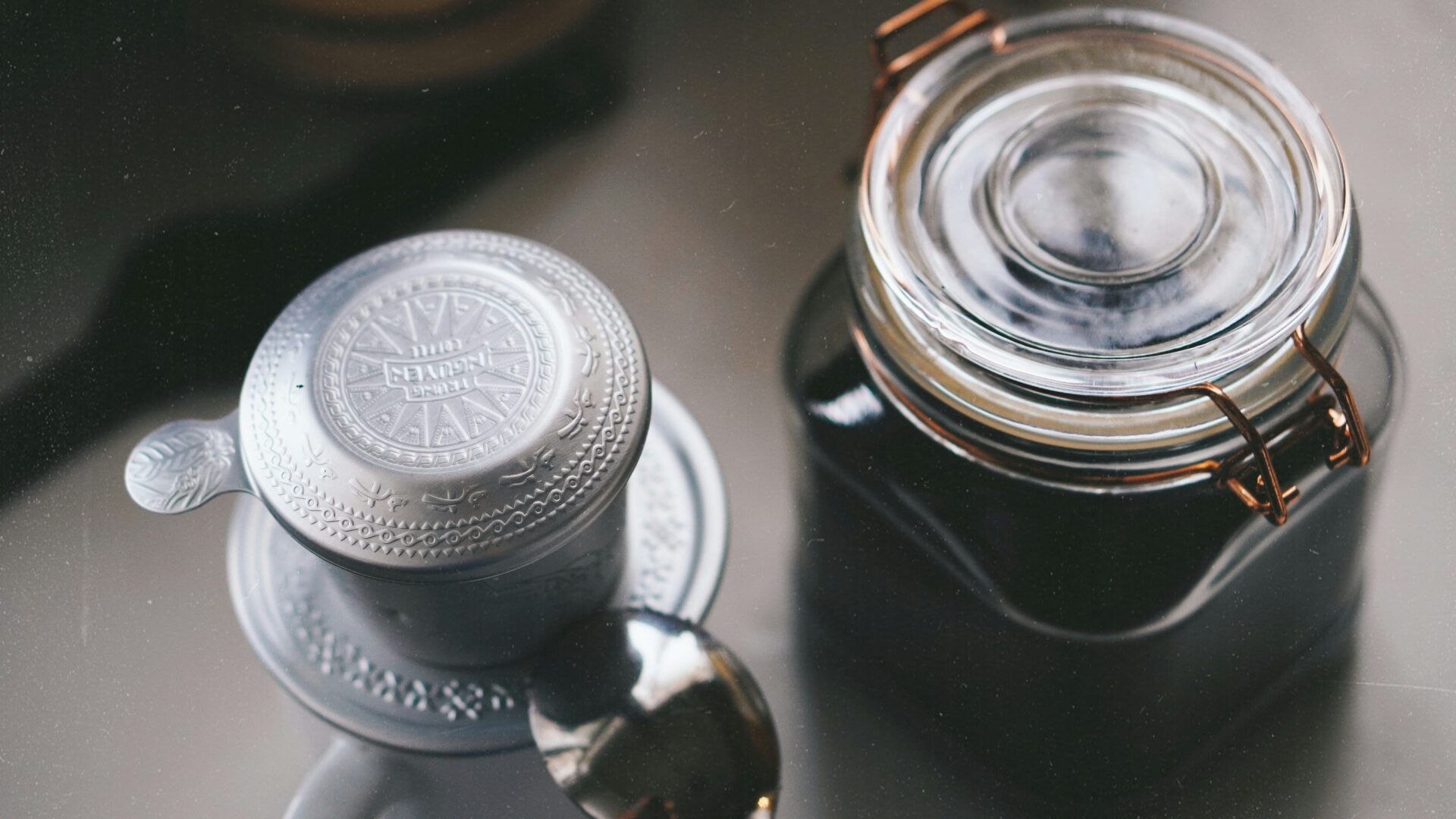
Vietnam is the world’s second-largest coffee exporter, and the country has developed a coffee culture entirely its own. From the velvety egg coffee of Hanoi to the trendy specialty cafes of Ho Chi Minh City, exploring Vietnam through its coffee scene is one of the most rewarding ways to travel here. This guide covers everything you need to know.
1. Why Vietnam is a Coffee Powerhouse
Coffee arrived in Vietnam via French colonists in the 19th century, and quickly took root in the country’s central highlands – particularly around Da Lat and Ban Me Thuot. Today Vietnam ranks second only to Brazil in global coffee exports, and the industry is woven into the social and economic fabric of the country.
The dominant variety grown in Vietnam is Robusta, which is higher in caffeine and more bitter than Arabica. Vietnamese coffee culture evolved partly around this strong, earthy base – which is why sweetened condensed milk became the classic companion: it balances the intensity beautifully.
2. Types of Vietnamese Coffee You Need to Know
Ca Phe Da (Iced Coffee): The classic. Strong drip coffee made through a metal phin filter, mixed with sweetened condensed milk and poured over ice. Addictively sweet, rich, and cold. This is the drink that defines Vietnamese coffee for most visitors.
Ca Phe Trung (Egg Coffee): A Hanoi original. A thick, custard-like cream made from whipped egg yolks and sugar sits on top of a small cup of strong coffee. Served warm, it’s more dessert than drink.
Ca Phe Muoi (Salt Coffee): Popular in Hoi An and Da Nang. A salted cream topping balances the bitterness of the coffee in a surprisingly elegant way. Unusual but worth trying.
Cot Dua Coffee (Coconut Coffee): A Ho Chi Minh City trend. Blended coconut milk or cream is layered over coffee for a tropical twist. Refreshing and photogenic.
3. Egg Coffee: Vietnam’s Most Iconic Drink
Egg coffee was invented in Hanoi in the 1940s, during a period when fresh milk was scarce. A barista named Nguyen Van Giang began whipping egg yolks with sugar as a substitute for milk, and the result – a rich, velvety foam – became an instant hit. His family still runs Giang Cafe in the Hanoi Old Quarter, and it remains a pilgrimage spot for coffee lovers from around the world.
To drink egg coffee properly: start by tasting the cream layer on its own with a spoon, then gradually stir it into the coffee below. The cup is often served in a bowl of warm water to keep it at the right temperature. It’s sweet, custardy, and entirely unlike anything you’ve had before.
4. Hanoi vs Ho Chi Minh City: Two Coffee Cultures
Hanoi’s cafe culture is slow, nostalgic, and neighborhood-focused. Tiny cafes are tucked into old French-era apartment buildings, up narrow staircases and onto rooftop terraces overlooking the city’s lakes and temples. The ritual is unhurried – locals come to sit, chat, and watch the world go by for hours over a single cup.
Ho Chi Minh City’s cafe scene is faster, louder, and more Instagram-driven. Concept cafes with themed decor, rooftop bars, and specialty espresso shops catering to a young, cosmopolitan crowd define the experience. Specialty coffee and pour-overs have gained a serious following here, alongside the classic Vietnamese-style drinks.
5. Where to Go: Cafe Recommendations for Travelers
In Hanoi: Giang Cafe for the original egg coffee, Cafe Pho Co for the surprise rooftop view of Hoan Kiem Lake (accessed through a silk shop), and Nhan Coffee for authentic neighborhood atmosphere.
In Ho Chi Minh City: The Workshop Coffee for serious specialty brews in a beautifully restored building, Cafe Apartment for a building full of independent cafes on every floor, and Saigon Oi for a local, unpretentious Vietnamese coffee experience.
Final Thoughts
Vietnam’s cafe culture is one of the most accessible and rewarding things to explore as a traveler. You don’t need to be a coffee expert to appreciate it – just an open mind and a willingness to slow down and sip. Whether you’re in a Hanoi alleyway with an egg coffee or a rooftop bar in Ho Chi Minh City, you’ll understand something about Vietnam that you can’t get from a guidebook.
(Photo by Unsplash.com)