Do You Need to Tip in Vietnam? A Guide by Situation (2026)
Vietnam does not have a deeply rooted tipping culture. That said, at businesses and services catering to foreign visitors, a small gratuity is increasingly expected. This guide breaks down whether and how to tip across restaurants, spas, ride-hailing, and more, from a resident’s point of view.
Is Tipping Customary in Vietnam?
Vietnam is traditionally a low-tipping country. However, at establishments and services that see a lot of foreign visitors, tipping has become something of a habit.
- At local eateries and markets, almost no one tips.
- At restaurants and tours geared toward tourists, more people leave a tip as a gesture of thanks.
- In areas with heavy tourist traffic, you may be asked for a tip directly.
- There is no fixed amount — it’s simply a gesture based on how satisfied you were.
- For overall trip budgeting, see this guide to Vietnam travel costs, and for a city-by-city breakdown of prices, check this cost-of-living guide.
Should You Tip on Top of the Service Charge at Restaurants?
If the bill already includes a service charge, an additional tip isn’t required. At places without one, tipping according to your satisfaction is a polite gesture.
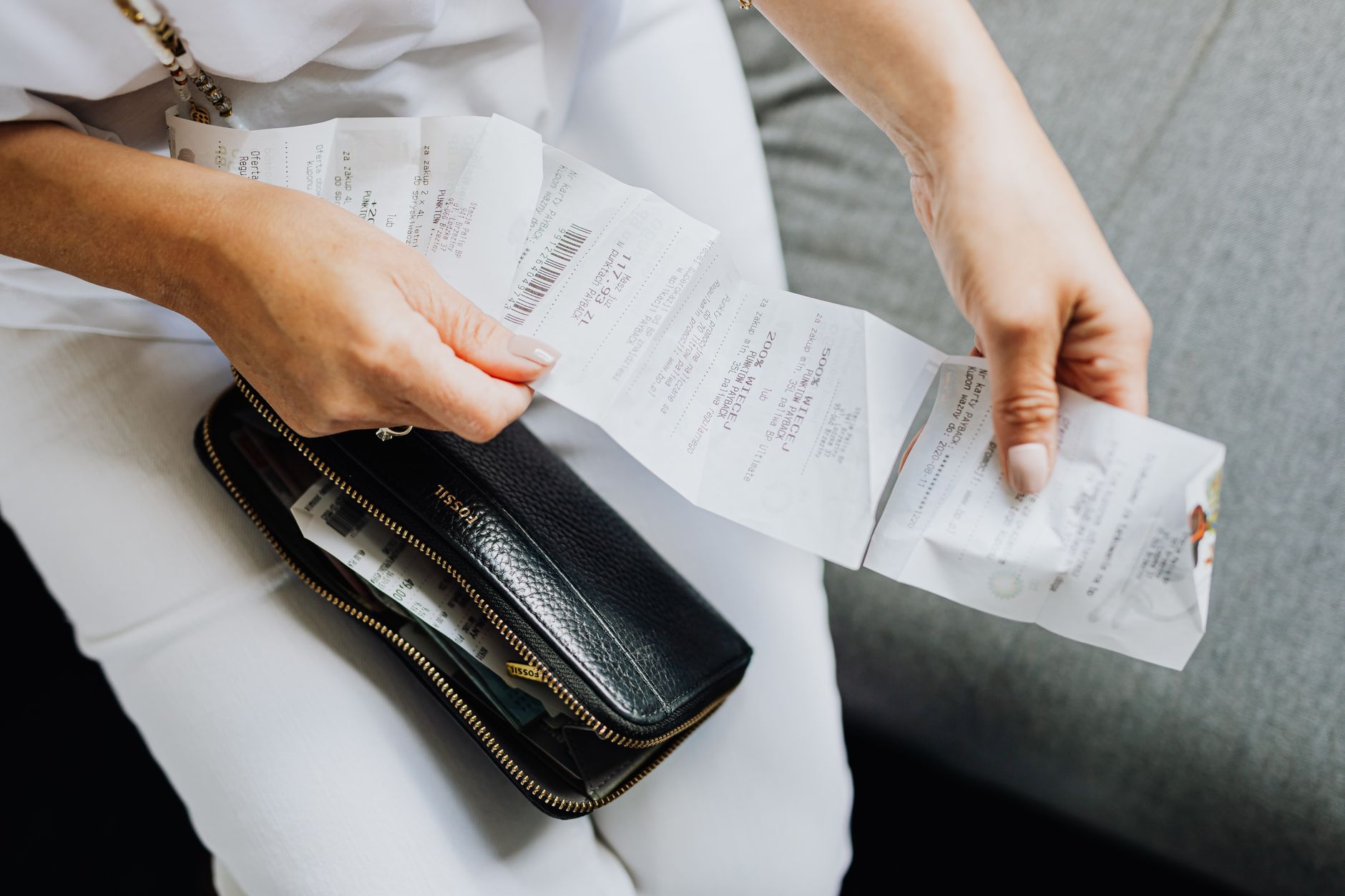
- Check whether your bill lists a “service charge” or “Service Charge” line item.
- If it’s listed, you generally don’t need to tip on top of it.
- At independently run eateries without such a line item, it’s common to simply let the server keep the change.
- At upscale restaurants and hotel dining rooms, it’s worth getting into the habit of checking the bill.
- Looking for popular spots in Ho Chi Minh City? See this restaurant guide, or for Hanoi, this one.
- If you want to explore Michelin-listed restaurants, this Michelin guide and this one-star Michelin guide are useful.
- Looking for vegetarian or halal-friendly restaurants? See this guide.
What’s the Going Rate for Spas and Massage?
Tipping is relatively well established at spas and massage parlors. There’s no set amount — it’s based on how satisfied you were with the service.
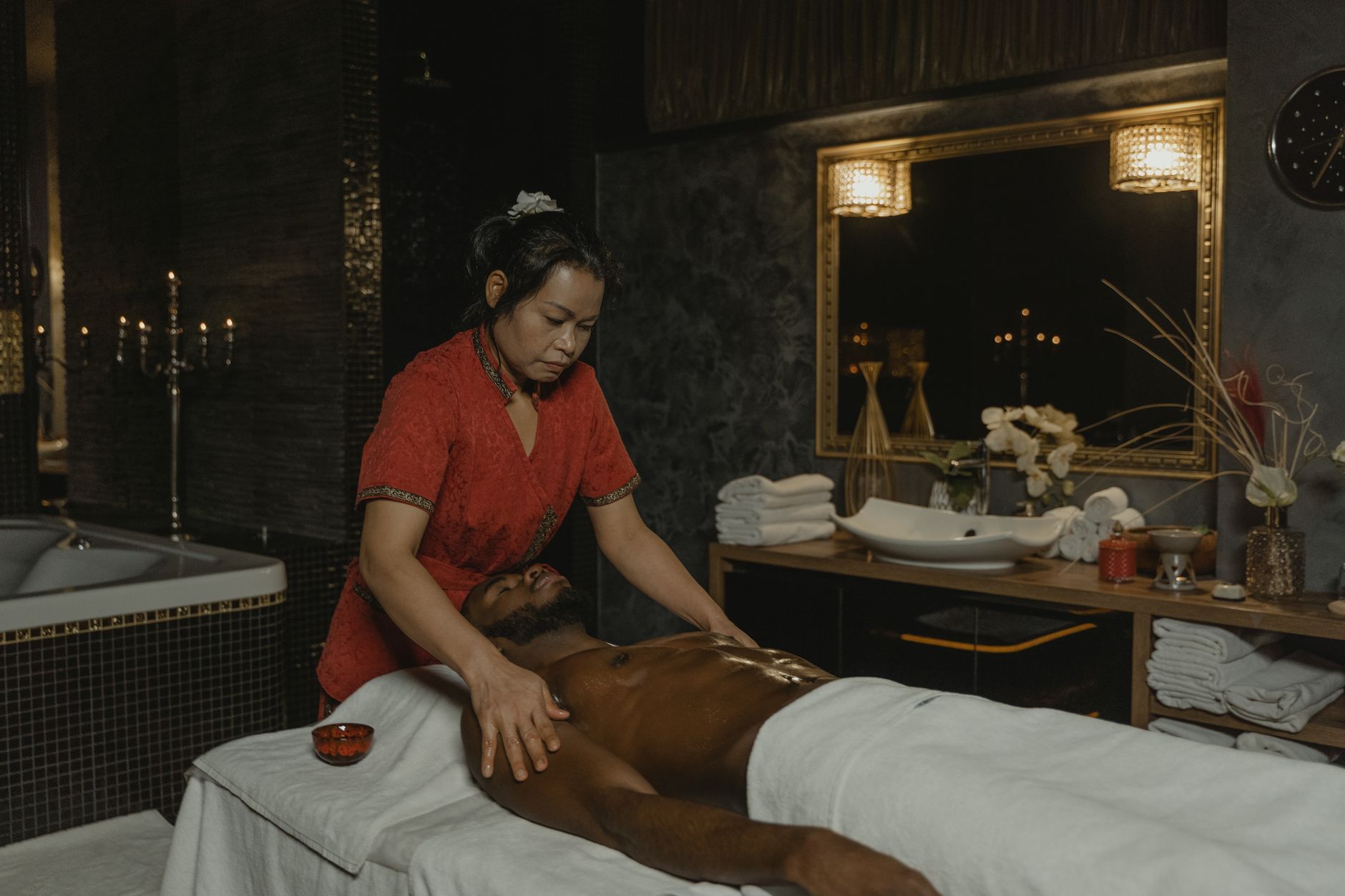
- It’s common to hand the tip directly to your therapist after the treatment.
- At spas inside upscale hotels, the bill may include a dedicated tip line.
- There’s no fixed amount; base it on the treatment and your satisfaction.
- If you don’t have cash on hand, it’s worth asking the front desk whether they can help.
What About Hotels, Ride-Hailing, and Porters?
At hotels and with ride-hailing services, tipping isn’t required. It’s most common when a porter helps carry your luggage.
- Many guests hand hotel porters a small amount depending on how much luggage they carried.
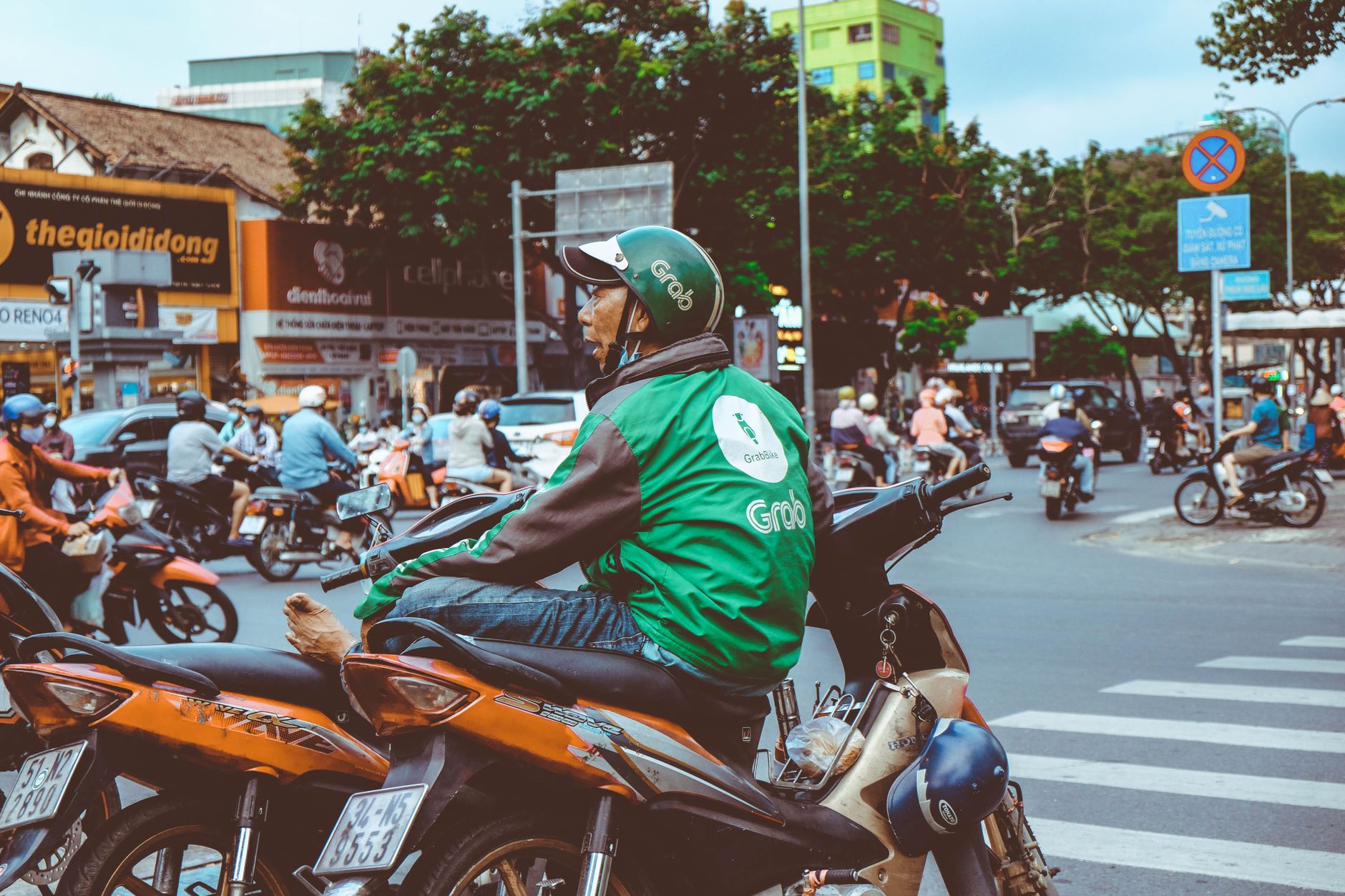
- Tipping ride-hailing drivers isn’t common practice.
- Some apps include a feature letting you add a gratuity for the driver within the app.
- Whether this feature is available depends on the app version and region, so it’s worth checking before you ride.
- For details on getting around Vietnam and the apps available, see this transportation guide.
Which Banknotes Should You Use to Tip?
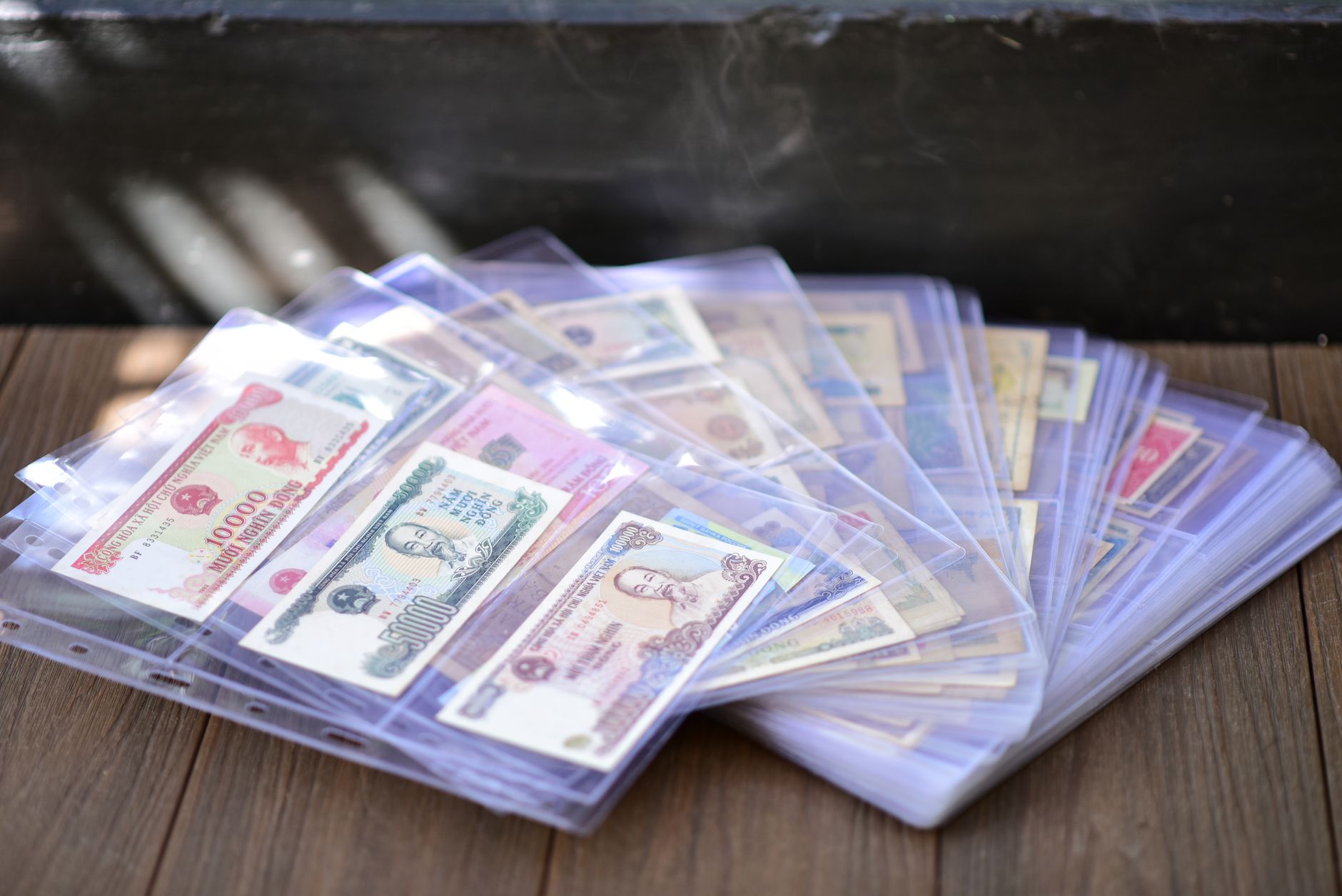
Tips should be given in small-denomination notes rather than large bills. The Vietnamese dong circulates in several denominations.
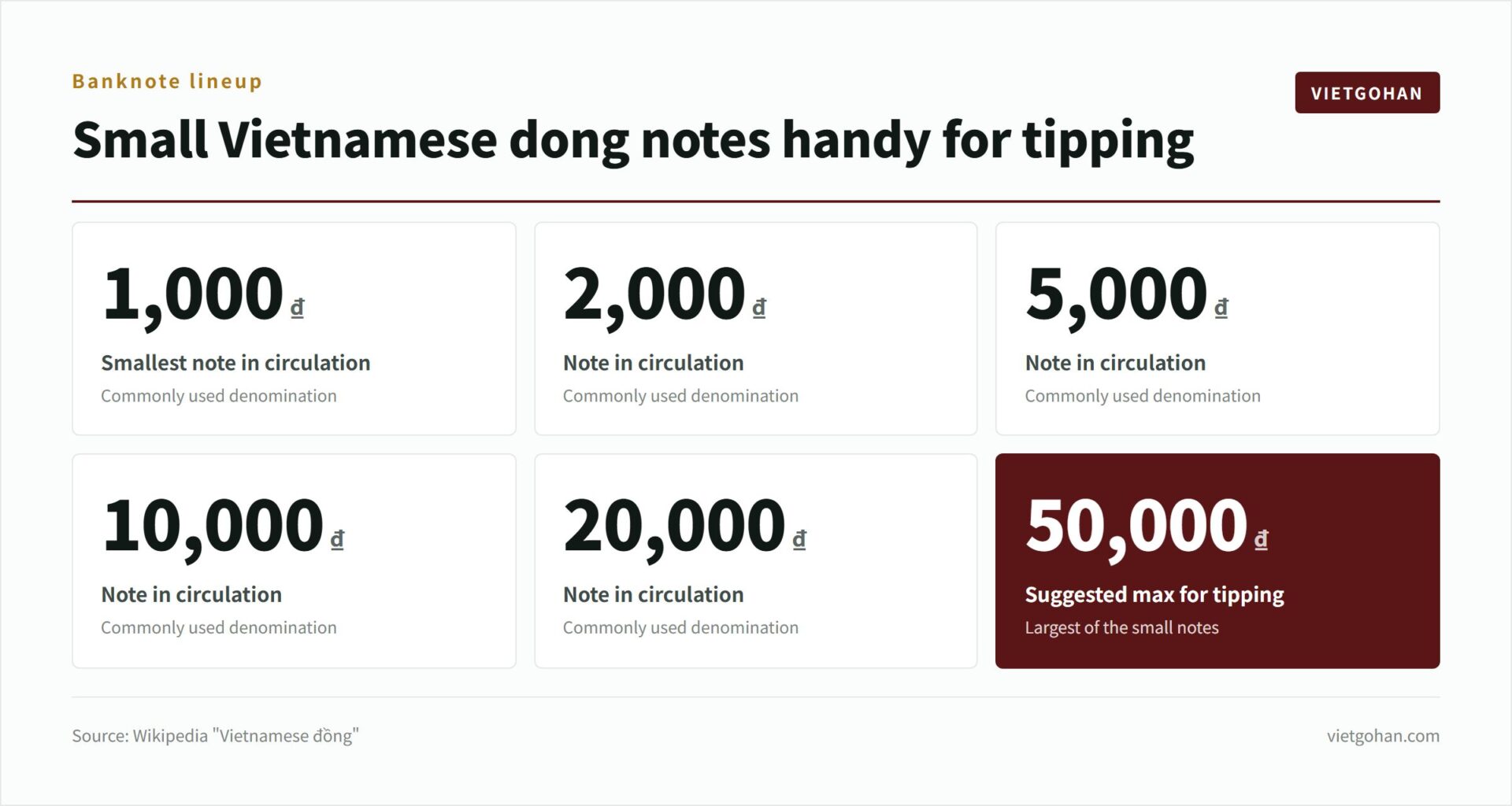
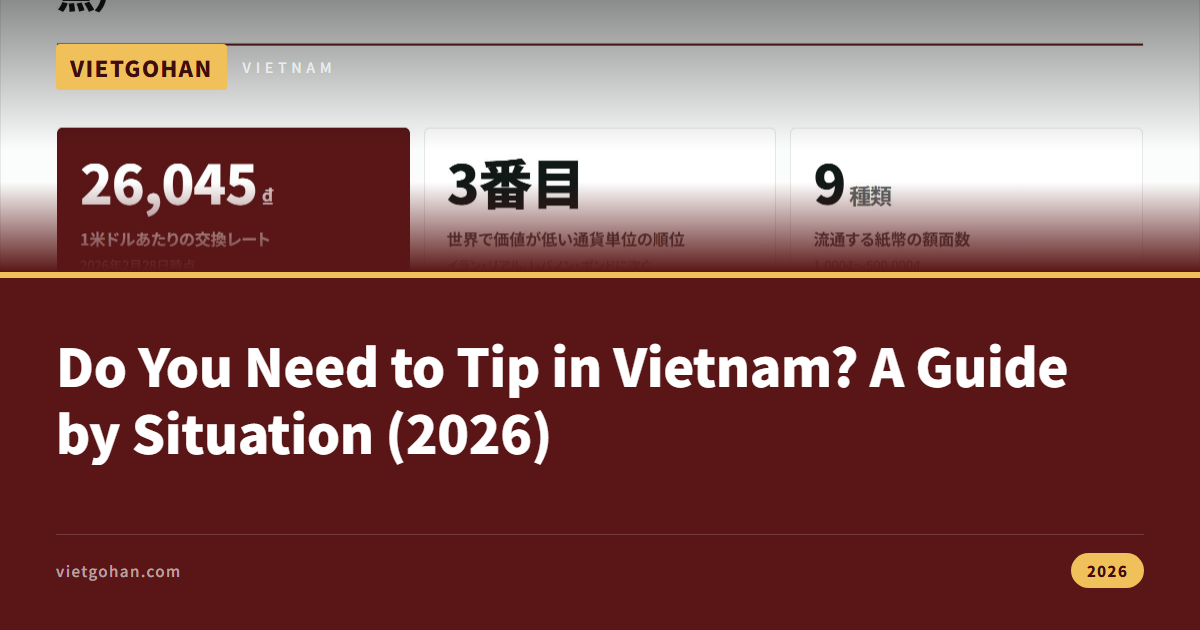
- Vietnamese dong banknotes range from 1,000₫ up to 500,000₫.
- The most widely circulated denominations are 1,000₫, 2,000₫, 5,000₫, 10,000₫, 20,000₫, 50,000₫, 100,000₫, 200,000₫, and 500,000₫ — nine in total.
- For tipping purposes, it’s handy to keep a few small notes in the 1,000₫–50,000₫ range on you.
- When exchanging currency, specifically request small bills so you’re never caught without tipping money.
What Should You Do When Paying by Card?
At places where card payment is the norm, tipping culture itself hasn’t really taken hold. There’s no need to force yourself to carry cash just in case.
- Few card terminals in Vietnam currently support tip entry.
- Some ride-hailing apps let you add a gratuity for the driver at checkout.
- Whether this feature exists depends on the app and its version, so it’s worth checking each time.
- If you really want to tip, keeping a small amount of cash on hand makes it easier.
- For useful Vietnamese phrases at checkout, see this restaurant phrasebook.
What If a Tip Is Refused or You’re Overcharged?
If your tip is refused, there’s no need to insist. On the other hand, if you’re charged an unfair markup, check the bill and speak up.
- If a tip is refused, it’s natural to simply go along with local custom and let it go.
- If a service charge is already on the bill but you’re charged an additional fee, ask for clarification.
- If you’re worried about the language barrier, learning a few simple phrases can help you communicate.
- This situation typically doesn’t arise at street stalls or local eateries, where the concept of tipping doesn’t really exist.
- For payment etiquette at street food stalls, see this street food guide.
Quick Reference: Tipping by Situation
| Situation | Is a tip needed? | How to give it |
|---|---|---|
| Restaurant (service charge listed) | Generally not needed | Check the bill; skip an extra tip |
| Restaurant (no service charge listed) | Some travelers tip | Common to let the change stay with the server |
| Spa / massage | Many people tip | Hand it directly to the therapist afterward |
| Hotel porter | Some tip for carrying bags | Keep small notes handy |
| Ride-hailing | Not common | Only via an in-app gratuity feature, if available |
| Street stalls / local eateries | Generally not needed | The custom simply doesn’t exist here |
Frequently Asked Questions
Is there a fixed tipping rate in Vietnam?
There’s no set standard — tipping in Vietnam is a culture of giving based on how satisfied you were with the service. You don’t need to feel obligated to prepare a specific amount in advance. Whether you tip generously, modestly, or not at all usually comes down to your own judgment and the situation at hand.
Do upscale restaurants always require a tip?
Not necessarily. If the bill already includes a service charge — often listed as “Service Charge” — an additional tip generally isn’t required on top of that. It’s worth checking your receipt carefully before adding anything extra, since many upscale establishments already build gratuity into the total.
Should you tip ride-hailing drivers?
It isn’t common practice in Vietnam to tip ride-hailing drivers directly. If the app you’re using offers an in-app gratuity feature, using that is more than sufficient. There’s generally no expectation of a cash tip handed over in person at the end of the ride.
Where can you get small-denomination banknotes?
You can request small bills specifically when exchanging currency, or simply collect them naturally as change from purchases at street stalls and markets. Building up a small stash of low-denomination notes over the course of your trip makes tipping situations much easier to handle.
When is the best time to hand over a tip?
The most natural moment is right after the service is complete — for example, once you’ve paid your restaurant bill or after your spa treatment has ended. Handing it over at that point feels courteous and unforced, rather than offering it before the service or awkwardly mid-transaction.
What denominations should you keep on hand for tipping?
Notes in the 1,000₫ to 50,000₫ range are all denominations actually in circulation in Vietnam. Keeping a handful of these smaller notes on you makes it easy to tip appropriately in most everyday situations without needing to break a large bill.
Summary
Tipping culture in Vietnam varies by region and by business. If a service charge is already on the bill, there’s no need to add more; if not, a small-denomination note is the standard way to show appreciation. Small cash tips are common at spas and with hotel porters, but generally unnecessary with ride-hailing services or at street stalls. When in doubt, don’t force it — following the local custom in the moment is the safest bet.
Related Reading
- How Much Does a Trip to Vietnam Cost? A Full Breakdown (2026 Edition)
- Vietnam’s Cost of Living in 2025: A City-by-City Breakdown
- The Complete 2025 Guide to Getting Around Vietnam: Apps and Services
- Vietnamese Restaurant Phrasebook
Photo credit
- Photo: Lê Quốc Hùng / Pexels